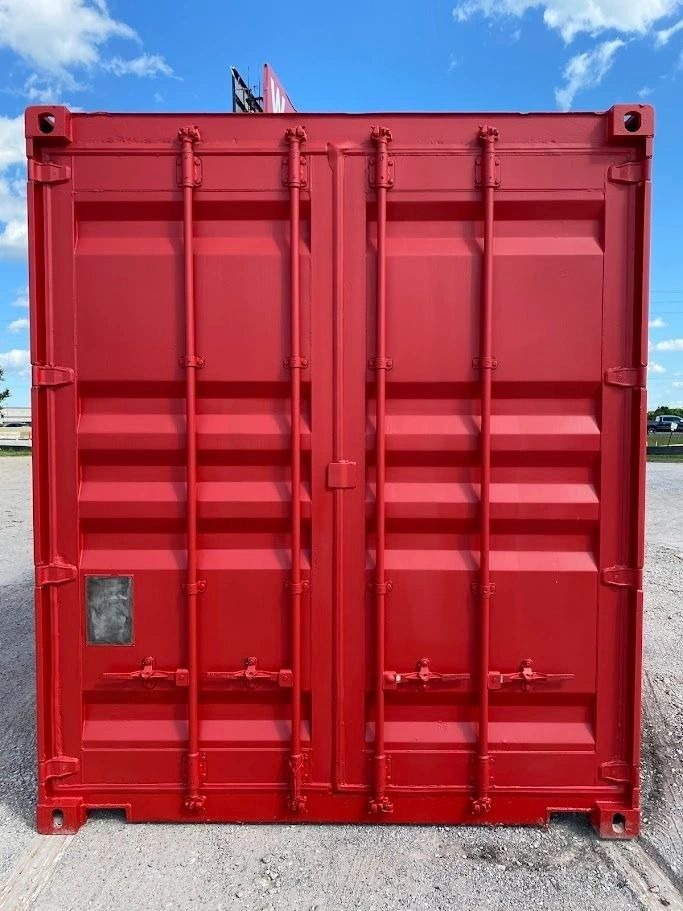
Understanding 45 Feet Container Size: Dimensions, Uses, and FAQs
When it pertains to shipping and logistics, container sizes play an essential function in accommodating varying cargo needs. Among the numerous kinds of containers available, the 45-foot container is a noteworthy alternative, particularly for companies with larger items to carry. This short article explores the dimensions, specifications, uses, and additional insights about 45-foot containers-- a perfect solution for carriers searching for something in between basic and high-capacity alternatives.
Key Dimensions of a 45 Feet Container
A 45-foot container can hold a substantial quantity of cargo, making it popular among importers and exporters. Below is COG Containers detailing the dimensions of a basic 45-foot container.
| Type | Length (feet) | Width (feet) | Height (feet) | Volume (cubic feet) | Tare Weight (pounds) | Max Payload (lbs) |
|---|---|---|---|---|---|---|
| Standard 45' Dry Container | 45.0 | 8.0 | 8.5 | 3,042 | 8,455 | 58,000 |
| High Cube 45' Container | 45.0 | 8.0 | 9.5 | 3,040 | 9,200 | 56,000 |
Features of 45 Feet Containers
- Capacity:A 45-foot container normally has a volume capability ranging from 2,850 to 3,045 cubic feet, depending on whether it is a standard or high cube variation. This permits businesses to keep and transport large amounts of goods.
Type Variations:
- Standard Container: Typically used for general cargo, such as fabrics, machinery, and non-perishable goods.
- High Cube Container: Offers a greater height enabling more vertical storage, suitable for bigger products.
- Structural Durability:Constructed from steel, these containers are developed to be weather-resistant, secure, and efficient in withstanding rough handling during shipping.
Uses of 45 Feet Containers
The adaptability of the 45-foot container allows its usage throughout several industries. Here are some common applications:
- International Shipping: Larger business frequently make use of 45-foot containers for shipping products overseas to maximize cargo load.
- Building and construction Sites: These containers can act as mobile storage units at construction sites, securing tools and materials from weather condition and theft.
- Short-lived Office or Living Space: With some adjustments, a 45-foot container can be changed into a site office or living quarters.
- Retail Storage: Retailers frequently employ containers for added storage area, especially throughout peak seasons.
Why Choose a 45 Feet Container?
Picking the ideal container size can affect transport expenses and effectiveness. Here are several reasons why organizations may choose a 45-foot container:
- Cost-Effectiveness:For larger deliveries, it may prove more affordable to use fewer, larger containers rather than numerous smaller ones.
- Optimized Space Utilization:The adequate area enables for much better packaging methods, decreasing squandered void.
- Flexibility:With options available for different cargo types and configurations, 45-foot containers can adjust to numerous shipping needs successfully.
- Eco-friendly:Utilizing larger containers assists in minimizing the carbon footprint per cargo system by optimizing shipping effectiveness.
FAQs about 45 Feet Containers
Q1: Can a 45-foot container fit in a standard shipping dock?
A: Yes, many shipping docks are created to accommodate containers of various sizes, including the 45-foot basic container. However, checking specific port and dock dimensions is suggested.
Q2: What types of goods disagree for 45-foot containers?
A: Extremely heavy or extra-large products that surpass the optimum weight limitation or dimensions might not be suitable. Specialized devices and containers exist for specific cargo types, such as cars or dangerous materials.
Q3: Are 45-foot containers more expensive than standard 20 or 40-foot containers?
A: Generally, the expense of a 45-foot container might be greater due to its bigger size and capacity; nevertheless, the general expense is typically balanced out by the cost savings sustained from shipping bigger amounts of products simultaneously.
Q4: How do I know if a 45-foot container is the best option for my business?
A: Analyze your shipping needs: the size, weight, and kind of products you transfer frequently will figure out if a 45-foot container can provide advantages in efficiency and expense savings.
The 45-foot container stands apart as a flexible and effective option for services seeking to enhance their shipping processes. With its balance between size, capability, and sturdiness, it's an exceptional option for numerous industries and applications. Services ought to carefully examine their shipping needs versus the distinct advantages provided by these containers to make a notified choice.
By comprehending the specifications, uses, and benefits of 45-foot containers, business can streamline their logistics operations and enhance their overall effectiveness. Whether for international shipping, building and construction storage, or momentary workplace, 45-foot containers provide countless advantages for modern-day shipping solutions.